Vehicle Maintenance Log Book: A Designer's Essential Asset
A well-structured Vehicle Maintenance Log Book is more than a simple record-keeper; it's a fundamental tool for organization and a surprisingly potent asset in the world of graphic design and branded materials. For designers, marketers, and creators, understanding how to leverage such a practical item can unlock new avenues for client projects, personal branding, and product creation, blending utility with strong visual communication.
In modern design, every touchpoint is an opportunity to reinforce a brand identity. A maintenance log book, when designed thoughtfully, becomes a physical extension of a brand's visual system. This is where professional graphic design principles come into play, transforming a mundane necessity into a piece of editorial design that enhances user experience and communicates reliability.
The Role of Design in Functional Documents
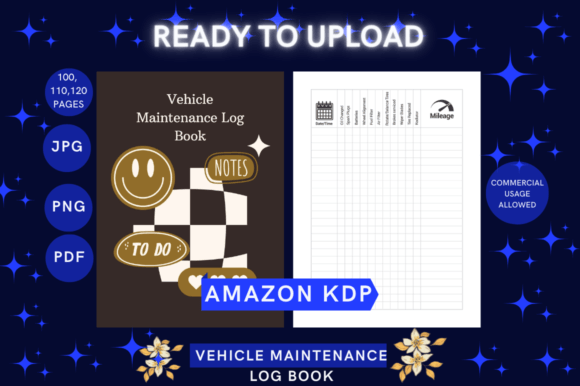
The core purpose of a Vehicle Maintenance Log Book is clarity and ease of use. This aligns perfectly with key design goals: creating a clear visual hierarchy, ensuring excellent readability, and establishing an intuitive layout. A designer's expertise in typography, color palette selection, and composition is critical here. Choosing a clean, legible font for data entry, using a restrained color scheme to differentiate sections, and employing consistent spacing all contribute to a document that is not only beautiful but supremely functional.
Practical Applications for Creative Professionals
Integrating a well-designed log book into your offerings or workflow can serve multiple creative and commercial purposes. Consider these applications:
- Branding & Merchandise: Create a branded log book as premium merchandise for automotive businesses, car enthusiast clubs, or as part of a larger brand identity package. It serves as a constant, practical reminder of the brand.
- Digital Product Creation: Designing and selling a printable PDF log book on platforms like Amazon KDP is a viable creative business. It requires an understanding of print design, bleed, trim, and scalable layout design to ensure a professional result.
- Client Project Add-On: For designers working with automotive clients, offering a custom-designed maintenance log book adds tremendous value, showcasing an understanding of the client's entire ecosystem of needs.
- Editorial & Packaging Design: The principles used—grid systems, typographic hierarchy, and consistent styling—are directly transferable to editorial layouts, packaging inserts, and instruction manuals.
When selecting or creating such an asset, focus on key design factors. Evaluate the visual hierarchy—does the layout guide the eye naturally from one field to the next? Assess scalability—will the design look sharp both on a screen and in print at various sizes? Consider audience expectations; a log book for a classic car club might use a vintage aesthetic with serif fonts, while one for a modern electric vehicle fleet would benefit from a minimalist, clean-lined approach.
The practical details matter immensely. A professional template will be provided in multiple high-quality formats (like PDF, PPT, PNG, and JPG) and tested for print platforms like Amazon KDP, ensuring no bleed issues and correct dimensions. This attention to technical detail is a hallmark of premium creative assets and saves creators significant time and frustration in their design workflow.
Ultimately, the power of a tool like a Vehicle Maintenance Log Book lies in its blend of practicality and potential. By applying thoughtful graphic design—considering modern aesthetics, brand consistency, and user-centric layout—you elevate a simple record into a polished, professional communication piece. Whether for personal use, client work, or as a sellable digital product, investing in quality design assets demonstrates a commitment to excellence that resonates in every project, enhancing both the visual impact and the functional integrity of the final product.