Camping Journal: Designing Your Outdoor Narrative
A well-designed Camping Journal is more than a simple notebook; it's a curated system for capturing memories, organizing trips, and reflecting on adventures in the wild. From a graphic design perspective, it represents a perfect intersection of utility and aesthetics, where every layout choice serves both function and feeling. For creators and designers, understanding how to build such a product—or leverage pre-made, high-quality assets like the Camping Journal KDP collection—can unlock new avenues for branding, publishing, and client work.
The Visual Language of Outdoor Branding
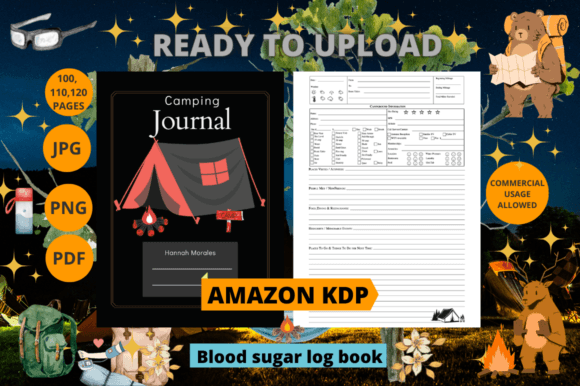
The design of a camping journal is a masterclass in visual communication. It must evoke the spirit of the outdoors while remaining practical for use around a campfire or in a tent. This requires careful consideration of typography, color palettes, and layout. A strong, legible serif or sans-serif font ensures notes are readable in low light, while earthy tones, forest greens, and sky blues create an immediate brand identity that resonates with nature enthusiasts. The cover design, in particular, is critical—it’s the first touchpoint and must convey durability, adventure, and the promise of a well-organized experience.
Practical Applications for Designers and Creators
The principles behind a camping journal apply to numerous creative projects. Consider its role in strengthening a brand’s narrative through tangible products.
- Brand Identity & Logo Design: A journal can become a cornerstone of a outdoor brand’s merchandise line. The logo and visual elements used on its cover extend the brand’s identity into the hands of its audience, creating a tactile connection.
- Marketing & Social Media Content: Pages from a styled journal make compelling content for social media graphics or advertising campaigns. They tell a story of authenticity and preparedness, which is powerful for digital marketing.
- Packaging & Editorial Design: The grid systems, margins, and visual hierarchy perfected in a journal’s interior layout are directly transferable to editorial design for catalogs, magazines, or even packaging inserts that tell a product’s story.
- Digital Products & Presentations: The structured yet flexible template of a journal—its sections for notes, sketches, and lists—inspires clean UI/UX design for apps or websites focused on travel and planning. Its format also informs professional presentation layouts for outdoor brands.
Evaluating and Selecting Design Assets
When sourcing creative assets like a ready-to-upload Camping Journal PDF, a designer’s evaluation process should focus on quality and adaptability. Key factors include:
- Consistency & Scalability: Ensure the design maintains its integrity at various scales, from a printed page to a thumbnail online. Check that fonts and vector elements are crisp.
- Readability & Visual Hierarchy: A good journal guides the user’s eye. Headings, subheadings, and body text should be clearly differentiated, creating an intuitive flow.
- Compatibility: The asset should integrate smoothly into your existing design workflow. For KDP publishing, this means files are correctly sized (like 8.5″ x 11″), have no bleed issues, and are print-ready.
- Modern Aesthetics: Assess the overall visual style. Does it align with contemporary design trends while remaining timeless? A premium feel is non-negotiable for products meant to represent a brand.
High-quality assets, such as the tested, no-bleed PDFs in the Camping Journal KDP bundle, provide a professional foundation. They save countless hours in production, allowing creators to focus on customization and marketing—whether they are launching their own product line or designing for a client in the outdoor industry.
Crafting a Cohesive Experience
The ultimate goal is to create a seamless user experience, from the visual appeal of the cover to the practicality of each interior page. Thoughtful design choices—like using a calming color palette to reduce visual stress or incorporating minimalist icons for quick reference—enhance usability and deepen emotional engagement. These elements transform a simple journal into a cherished companion, reinforcing brand loyalty and communication.
In the end, whether you’re designing from scratch or leveraging expertly crafted templates, the focus should be on creating value. Quality creative assets do more than look good; they solve problems, tell stories, and build connections. By applying professional design principles to products like a camping journal, you elevate both the aesthetic and the functional experience, ensuring every adventure is beautifully documented and every brand story is compellingly told.