Blood Sugar Log Book: Streamlining Health & Design
In the intersection of healthcare management and professional publishing, the Blood Sugar Log Book stands out as a critical tool that demands both high-level functionality and aesthetic precision. For designers and self-publishers looking to create resources for the Amazon KDP marketplace, the challenge lies in blending medical utility with a layout that encourages consistent user engagement. A well-structured log book is not merely a collection of tables; it is a designed experience that guides the user through their daily health journey with clarity and ease.
The Role of Visual Hierarchy in Functional Design
When designing a Blood Sugar Log Book, visual hierarchy is the most powerful tool in your arsenal. Unlike standard editorial design, where typography might lead the way, here the data grid is the hero. The primary goal is to ensure that users can record their readings—typically pre-breakfast, post-lunch, and bedtime—without confusion. This requires a delicate balance of white space, grid structure, and typographic weight. A cluttered page can cause user frustration, while an overly sparse design might waste valuable space. The key is to create a rhythm on the page that feels intuitive, allowing the eye to move naturally from the date to the time slot and finally to the entry field.
Practical Application for KDP Publishers
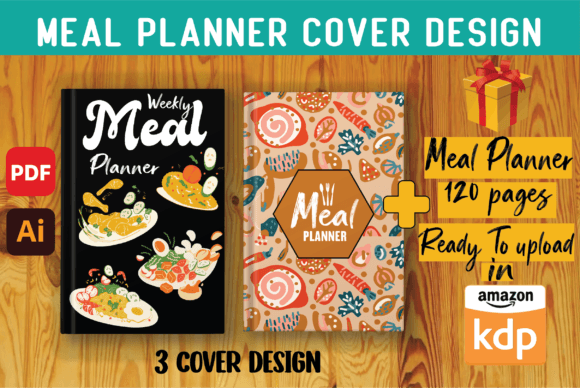
For those utilizing ready-to-upload assets, such as the specific 8.5" x 11" bundle mentioned earlier, the technical specifications are just as vital as the creative ones. A professional presentation requires dimensions that fit standard printing standards while maximizing the usable writing area. When selecting a template or asset, consider these design factors:
- Typography and Readability: Choose fonts that are legible at smaller sizes. Sans-serif fonts often work best for the grid headers and data points, offering a clean, modern aesthetic that reduces eye strain.
- Color Palette: While a full-color interior increases printing costs, using subtle gray tones or a single accent color for headers can significantly improve the user experience. It helps segment the days or weeks without overwhelming the page.
- Scalability and Bleed: Ensure your interior PDFs are tested for "No Bleed" requirements if you are working with standard white paper, or set up proper bleed margins (usually 0.125 inches) if you intend to use color backgrounds that extend to the edge.
Enhancing Brand Identity Through Consistency
If you are a creator building a series of wellness products, the Blood Sugar Log Book should be an extension of your broader brand identity. Consistency in design elements—such as the cover style matching the interior headers—builds trust with your audience. Think of the interior design as part of your packaging design; it is the unboxing experience of the content. Whether you are offering 100, 110, or 120-page variations, maintaining a consistent grid system across all versions ensures that your product line feels cohesive and professional.
Furthermore, the usability of these books extends beyond the physical print. In the digital marketing space, showcasing a high-quality interior design on social media graphics or your website can significantly boost conversion rates. Users want to see that the interior is as thoughtfully designed as the cover. By focusing on high-resolution layouts and intuitive data entry fields, you provide a solution that respects the user's health needs while satisfying their desire for quality creative assets. Ultimately, a successful design in this niche is one that disappears into the background, allowing the user to focus on their data, proving that thoughtful graphic design is an act of service.