Streamline Your Workflow with the Best Assignment Planner for Students
For any creative professional or student managing complex projects, organization is the bedrock of success. A well-structured planning system doesn't just track tasks; it clarifies vision, manages deadlines, and ensures that every creative asset—from a brand logo to a social media campaign—is executed with precision and purpose. This is where a dedicated planner becomes an indispensable tool in your design workflow.
The Role of Organization in Visual Communication
Effective graphic design is a symphony of elements—typography, color palette, imagery, and composition—all working in harmony. Without a clear plan, even the most brilliant creative concepts can falter in execution. The Best Assignment Planner for Students provides the structural framework needed to manage these elements systematically. It transforms abstract ideas into actionable steps, ensuring that every phase of a project, from initial brainstorming to final deliverables, maintains a strong visual hierarchy and aligns with the overarching brand identity.
Practical Applications Across Creative Disciplines
The utility of a robust planning system extends far beyond academic assignments. Consider its application in these key areas:
- Branding and Logo Design: Mapping out research, concept sketches, client revisions, and final file preparation ensures a cohesive and professional brand identity package.
- Marketing Materials: Coordinating the design of brochures, flyers, and posters requires careful scheduling of copywriting, photography, and layout design to meet campaign launch dates.
- Social Media Content: Planning a content calendar allows for strategic visual design, ensuring a consistent aesthetic and message across platforms like Instagram and LinkedIn.
- Website and UI Design: Breaking down a web project into sitemap creation, wireframing, UI component design, and user testing phases is critical for a smooth development process.
- Packaging and Print Design: Managing dielines, color proofs, and printer specifications demands meticulous attention to detail that a planner can facilitate.
Selecting and Implementing Your Planning Assets
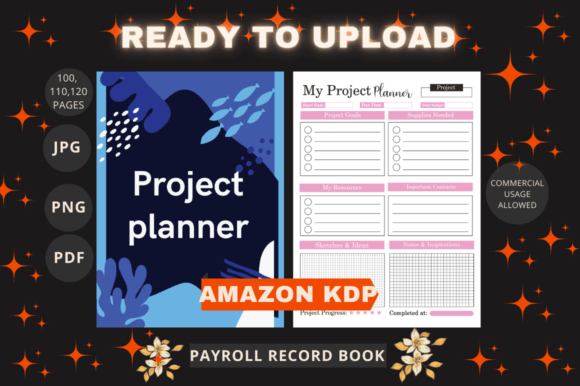
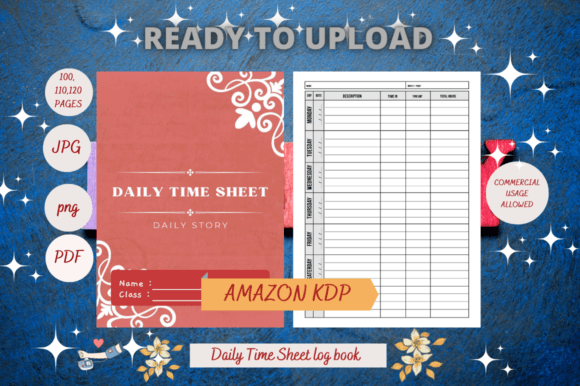
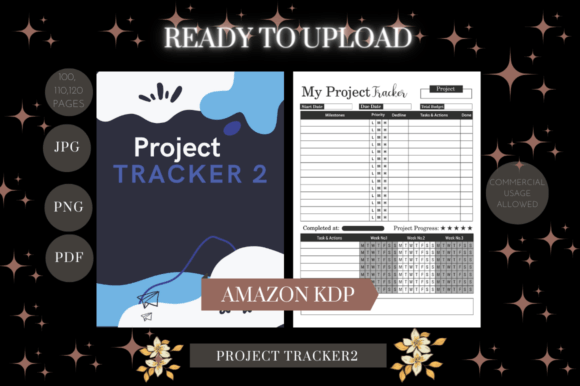
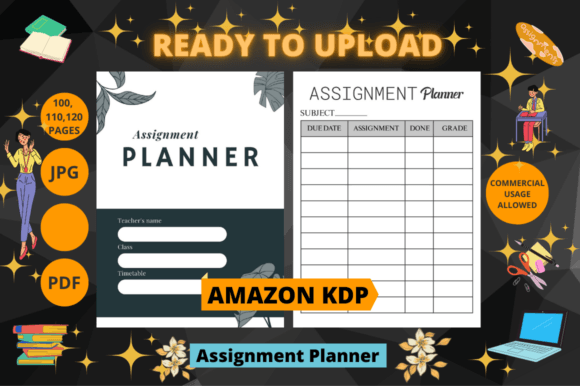
When choosing tools to enhance your design workflow, look for assets that offer both quality and flexibility. A premium Assignment Planner for KDP PDF, for instance, should be more than just a printable page. It should be a thoughtfully designed template that respects modern aesthetics and functional requirements. Key features to evaluate include:
- Print-Ready Quality: Dimensions like 8.5" x 11" with no bleed are standard for professional printing, ensuring your plans look crisp and are ready for physical or digital use.
- Scalability and Compatibility: The planner should integrate seamlessly into your existing systems, whether you use it as a standalone PDF, import it into note-taking apps, or use it as a reference in digital marketing planning.
- Clarity and Usability: Ample writing space, logical sections, and a clean layout contribute to readability and reduce cognitive load, letting you focus on the creative work itself.
By incorporating a structured planner into your process, you create a tangible roadmap for your creative projects. This disciplined approach not only improves time management but also elevates the final output, ensuring every visual communication