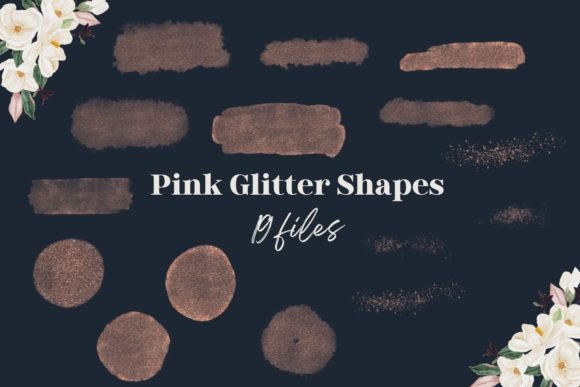
Pink Strokes, Circles & Backgrounds: A Design Asset
The Strategic Role of Decorative Elements in Modern Design
Effective visual communication goes beyond basic layouts and typography. It involves creating a cohesive visual language that resonates with an audience. Elements like hand-drawn strokes, geometric circles, and textured backgrounds serve as powerful tools to guide the viewer's eye, establish mood, and reinforce brand identity. In a crowded digital landscape, these details help create a unique visual hierarchy and a polished, professional presentation that stands out.
The "pink" color palette itself is significant. Often associated with creativity, warmth, and approachability, it can soften a corporate brand, energize a youthful audience, or add a touch of sophistication to editorial layouts. When used intentionally, these elements move from mere decoration to strategic components of a brand's visual system.
Practical Applications for Creative Assets
The true power of a resource like the Pink Strokes, Circles and Backgrounds collection is its incredible versatility. Its high-resolution, scalable files (with strokes ranging from 800px to 3000px and backgrounds up to 5000px) ensure quality across both digital and print mediums. Consider these applications:
- Branding & Logo Design: Use a delicate pink stroke as an underline for a logotype or integrate a circle as a dynamic background shape for a secondary brand mark.
- Social Media Content: Create engaging Instagram Stories, Facebook posts, or Pinterest pins by layering these elements with text and photography to capture attention quickly.
- Website & UI Design: Enhance user experience by using circles as hover states, strokes as decorative dividers, or subtle backgrounds to highlight key content sections without overwhelming the interface.
- Marketing Materials: Elevate brochures, flyers, and digital ads. A textured pink background can add depth to a headline, while strokes can frame a call-to-action button.
- Editorial & Packaging Design: Add a handcrafted feel to book covers, magazine layouts, or product packaging, making the final product feel more personal and tactile.
Tips for Effective Implementation
Integrating new elements into a design system requires thoughtful consideration to maintain consistency and clarity. Here’s how to use assets like these effectively:
- Align with Brand Identity: Ensure the style, color, and weight of the elements complement your existing brand palette, typography, and overall aesthetic. The pink should feel intentional, not accidental.
- Use for Visual Hierarchy: Employ strokes and circles strategically to draw attention to important information, such as headlines, special offers, or key messages, improving readability and user flow.
- Maintain Balance: Avoid clutter. The transparent backgrounds make these elements easy to layer, but space is a critical design component. Use them to accent, not dominate.
- Consider Scalability: The provided size range offers flexibility. Always work with the original high-resolution files and scale down as needed to preserve crispness and detail, especially for print design.
- Test for Audience Reception: While pink is versatile, always consider your target audience's expectations and the context of your project to ensure the visual choices enhance communication.
Ultimately, the most compelling designs are those where every element serves a purpose, blending form with function. Thoughtfully selected creative assets, like quality strokes, circles, and backgrounds, empower designers, marketers, and creators to work more efficiently while elevating the visual impact of their work. By focusing on cohesion, intentionality, and practical application, these tools become more than just decorations—they become essential components in crafting professional, engaging, and effective visual narratives.