Mood Tracker: Design Assets for Visual Journaling & Branding
Transforming abstract emotional states into tangible, organized data is a powerful creative exercise, and a well-designed Mood Tracker is the perfect tool to facilitate this visual journey. For designers and creators, these trackers are more than just planners; they are a canvas for exploring color psychology, typography, and layout in a deeply personal context, making them a valuable addition to any design toolkit or product line.
The Role of Mood Trackers in Modern Design
In the realm of graphic design and visual communication, a Mood Tracker serves a dual purpose. Primarily, it is a functional tool for self-awareness, allowing users to visualize emotional patterns over time. From a design perspective, it is a masterclass in visual hierarchy and user experience (UX). Each element—from the intuitive grid layout to the carefully selected color palette—must work harmoniously to create a seamless and engaging user journey. This makes designing or selecting a tracker an excellent exercise in creating intuitive, user-centered assets.
Practical Applications Across Creative Projects
The utility of a thoughtfully crafted Mood Tracker extends far beyond personal journaling. These templates and design elements can be integrated into a wide array of creative projects and professional contexts. Consider their application in:
- Brand Identity & Marketing: Use mood-tracking concepts in client workshops to visually map brand emotions, or adapt the clean layouts for internal team wellness initiatives.
- Social Media & Content Marketing: The aesthetic appeal of a well-designed tracker makes it ideal for social media graphics, Instagram Stories, or Pinterest content aimed at audiences interested in mindfulness, productivity, or design.
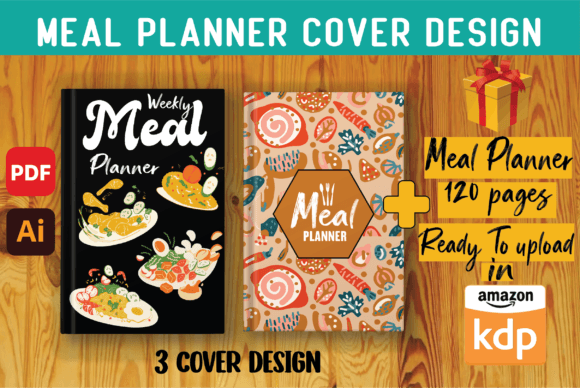
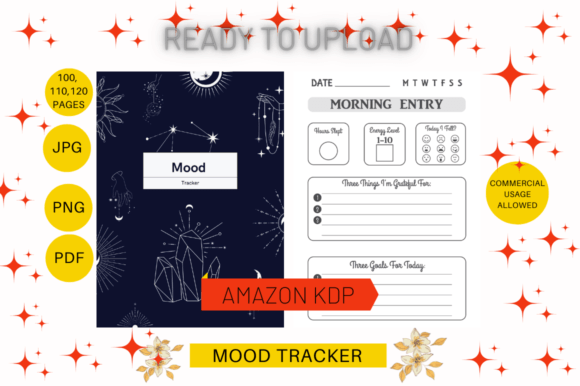
- Digital Product Creation: For creators on platforms like Amazon KDP, offering ready-to-use Mood Tracker PDFs, PNGs, and JPGs provides immediate value to customers seeking beautiful, functional print design templates for journals, planners, and workbooks.
- UI & Web Design: The principles of clear labeling, consistent iconography, and readable typography used in a tracker are directly transferable to designing dashboards, apps, and website interfaces.
Tips for Selecting and Using Design Assets
When evaluating or creating assets like a Mood Tracker, focus on elements that ensure both visual impact and practical usability. Prioritize designs that offer:
- Consistency and Scalability: Look for assets built with a unified style—consistent line weights, a cohesive color palette, and a clear type hierarchy. This ensures the design remains clean and legible whether printed at 8.5" x 11" or viewed on a screen.
- Readability and Clarity: The best designs use typography not just for beauty but for function. Ensure date fields, labels, and legends are set in a highly readable font with ample contrast.
- Compatibility: For professional use, especially for print design, assets must be technically sound. Files should be properly formatted (like print-ready PDFs with no bleed issues) and tested to ensure they perform flawlessly in their intended environment, such as Amazon KDP.
Ultimately, a Mood Tracker is a microcosm of effective visual design. It demonstrates how strategic use of space, color, and form can simplify complex information and create an engaging experience. Whether you are a designer seeking inspiration, a marketer crafting relatable content, or a creator developing digital products, investing in high-quality, thoughtfully designed assets elevates your work. It ensures your projects are not only aesthetically pleasing but also functionally robust, enhancing both communication and brand identity in every application.