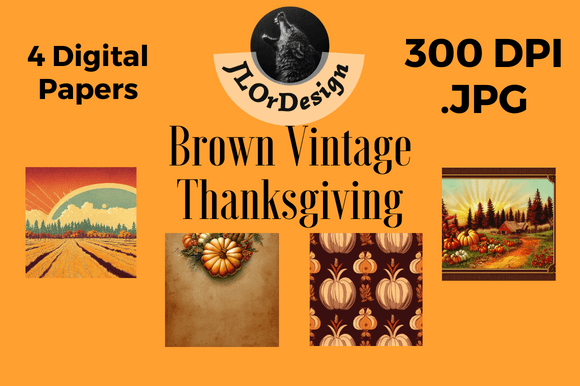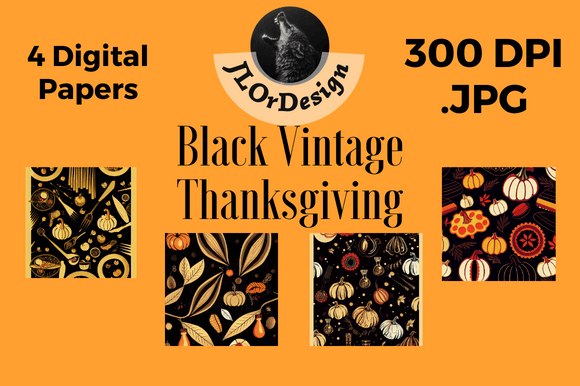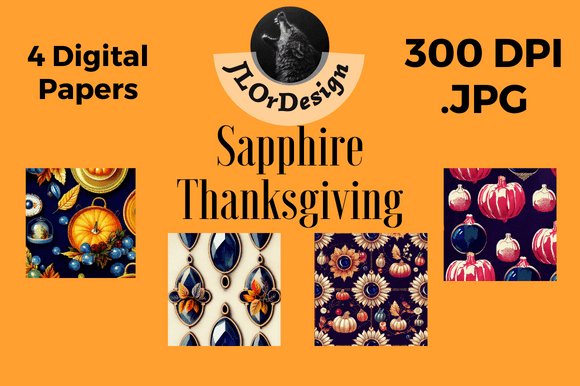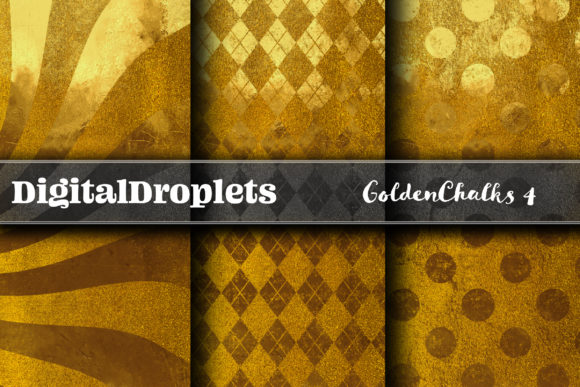
Indigo Retro Thanksgiving Digital Papers: A Designer's Guide
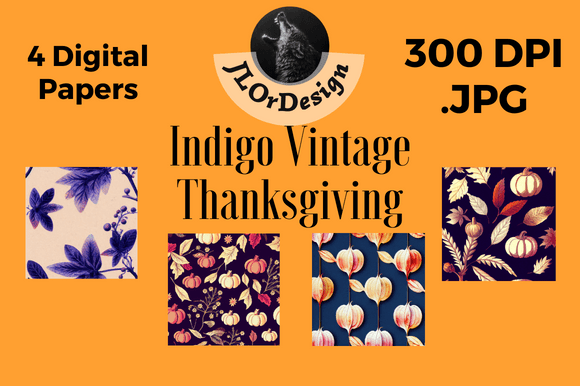
Imagine infusing your autumn projects with a sense of timeless warmth and sophisticated nostalgia. The right texture can transform a simple layout into a compelling story, and Indigo Retro Thanksgiving Digital Papers offer exactly that. This collection provides four meticulously crafted, vintage-inspired backgrounds in a deep, rich indigo palette, ready to elevate your creative work with instant character and depth.
Understanding the Asset: More Than Just a Background
At their core, these digital papers are high-resolution, seamless textures (3600 x 3600 pixels at 300 dpi) designed for immediate use. The retro Thanksgiving theme evokes classic harvest motifs, handcrafted elements, and a muted color scheme that avoids cliché. For graphic designers, such assets are foundational. They serve as the "canvas" upon which other design elements—typography, logos, and imagery—can interact, establishing a cohesive visual hierarchy and mood from the very first layer.
Key Features for Professional Use
- High Resolution & Scalability: The 12" x 12" size at 300 dpi ensures crisp results for both large-format print and detailed digital applications.
- Cohesive Color Palette: The consistent indigo retro theme allows for easy integration into existing brand color systems or the creation of new, harmonious palettes.
- Versatile Texture: The vintage aesthetic adds tactile depth, improving the user experience (UX) by making designs feel more engaging and less sterile.
Practical Applications Across Design Disciplines
The true value of a resource like Indigo Retro Thanksgiving Digital Papers lies in its versatility. Here’s how different creative professionals can leverage these assets:
Strengthening Brand Identity & Marketing
For branding projects, these papers can establish a unique brand texture. Use them as backgrounds for logo presentations, business card designs, or brand guidelines to convey heritage and authenticity. In marketing, they are perfect for creating visually rich social media graphics, email newsletter headers, and promotional posters that stand out in a crowded feed.
Enhancing Editorial and Packaging Design
Editors and layout designers can use these patterns as subtle page backgrounds in magazines, lookbooks, or recipe collections to evoke a seasonal, heartfelt atmosphere. For packaging design, they provide an excellent base for labels, wrapping paper, or gift tags, especially for artisanal food products, candles, or boutique goods aiming for a handcrafted, retro feel.
Digital Products and UI Design
Digital creators can apply these textures to website hero sections, blog post featured images, or even as subtle UI elements in app design to add personality. They are also ideal for designing digital planners, printable wall art, or e-commerce product mockups, adding perceived value and visual interest.
Tips for Effective Implementation
Integrating textured backgrounds requires thoughtful execution to maintain professionalism and readability.
- Prioritize Readability: Always ensure sufficient contrast between your text and the background. Consider placing text on a solid color overlay or a semi-transparent shape to guarantee legibility.
- Maintain Visual Hierarchy: Use the textured paper as a supporting element, not the main focus. Let your key content—headlines, calls-to-action, or products—remain the star.
- Ensure Consistency: When using multiple papers from the set, apply them consistently across related materials (e.g., a social media series or a multi-page document) to reinforce brand cohesion.
- Test Across Media: Always proof your designs in their final context—on a screen and in print—to ensure the texture translates well and doesn't overwhelm other design elements like typography or imagery.
Thoughtful design choices are what separate good work from great. By selecting high-quality, thematic assets like these digital papers, you invest in the visual language of your project. This not only enhances aesthetic appeal but also strengthens communication, creating a more memorable and engaging experience for your audience. Ultimately, the right creative resource doesn't just decorate; it elevates the entire design narrative.