Elevate Your Designs with Vintage Damask Scrapbook Vol. 2 | 12x12
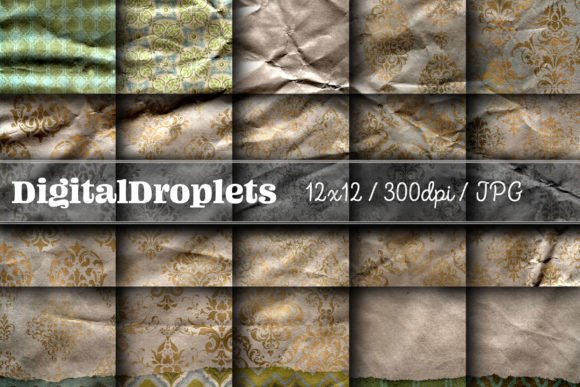
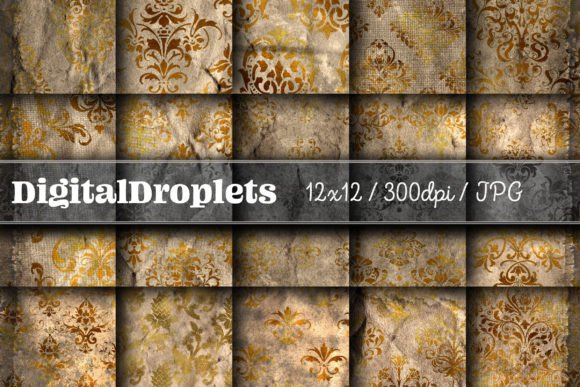
In the ever-evolving landscape of graphic design, the power of a timeless texture cannot be overstated. The Vintage Damask Scrapbook Vol. 2 | 12x12 collection offers a sophisticated solution for creators seeking to infuse their projects with depth, history, and visual intrigue. This curated set of 20 high-resolution JPEG papers seamlessly blends classic damask patterns with authentic old paper textures, providing a versatile foundation for a wide array of creative applications.
Understanding the Design Asset
Each 12x12 inch, 300dpi paper in this collection is more than just a background; it's a complete visual system. The overlaid damask motifs on aged textures create a rich, layered effect that immediately establishes a vintage aesthetic. The subtle "shuffled papers" border adds a unique, crafted detail that enhances the tactile, handmade feel. For designers, this means having a ready-made component that contributes significantly to visual hierarchy and brand storytelling without requiring extensive time in post-production.
This asset is a prime example of how high-quality creative resources can streamline a design workflow. Instead of starting from scratch, designers can leverage these papers to set a consistent tone across multiple touchpoints, ensuring cohesion in both digital and print environments.
Practical Applications Across Design Disciplines
The utility of the Vintage Damask Scrapbook Vol. 2 | Collection 12×12 Paper Set of 20 papers extends far beyond traditional scrapbooking. Its inherent elegance and versatility make it a valuable tool for numerous professional projects.
- Branding & Identity: Use the papers as textured backgrounds for logo presentations, business cards, or letterheads to convey heritage and authenticity. The damask pattern can subtly reinforce a brand's commitment to classic quality.
- Marketing & Social Media: Create compelling social media graphics, promotional banners, or email headers that stand out in a crowded feed. The vintage texture adds a layer of sophistication to digital marketing materials.
- Editorial & Web Design: Incorporate the papers as background elements in magazine layouts, blog post featured images, or website hero sections. They provide excellent context for articles on history, fashion, or luxury goods.
- Packaging & Merchandise: Design product labels, gift wrap, or merchandise (like journals and planners) that tell a story. The texture translates beautifully to physical print, enhancing the unboxing experience.
- UI & Presentation Design: Use sparingly in user interface elements or as slide backgrounds in presentations to add visual interest without compromising readability, especially when paired with clean, modern typography.
Tips for Effective Integration
To maximize the impact of these design elements, consider the following principles:
- Maintain Visual Hierarchy: The damask pattern is detailed. Pair it with simple, legible typography (like a clean sans-serif or a complementary serif font) to ensure your message remains clear. Let the texture support, not overpower, your core content.
- Ensure Consistency: Use papers from the same volume or collection across a project to maintain a unified color palette and texture style. This strengthens brand identity and creates a professional, polished presentation.
- Consider Scalability: The high-resolution 300dpi files ensure crisp results in both small digital icons and large-format prints. Always test your design at various scales to confirm detail integrity.
- Blend with Modern Elements: Don't be afraid to juxtapose these vintage textures with contemporary design trends. Combining a damask background with a minimalist layout or a bold, modern color accent can create a striking, balanced aesthetic.
Ultimately, the choice of creative assets is a foundational design decision. Selecting resources like the Vintage Damask collection demonstrates an understanding of how texture, pattern, and historical reference can elevate communication, engage audiences on an emotional level, and build a memorable visual language. Thoughtful integration of such elements is key to transforming a good design into a great one.