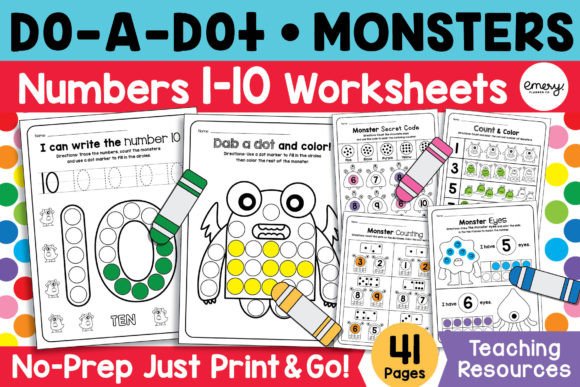
Do-a-Dot Monsters: A Playful Design for Early Learning
In the world of visual design, the most effective solutions often bridge the gap between playful engagement and clear, functional communication. The Do-a-Dot Monsters | Numbers 1-10 worksheet collection exemplifies this principle, offering a no-prep, creatively rich activity designed to teach foundational math skills through a charming monster-themed visual system. This resource is more than just a set of printables; it’s a case study in how thoughtful graphic design can enhance learning, build brand consistency in an educational context, and create joyful user experiences.
The Visual Design Framework: More Than Just Cute Monsters
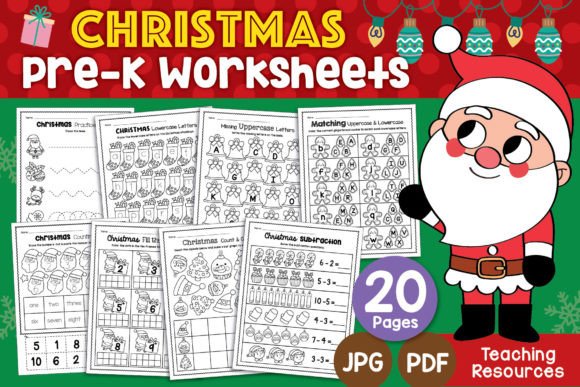
At its core, this product is a masterclass in visual hierarchy and user-centric design. Each of the 41 pages is structured to guide a child's eye and hand through a specific learning pathway: dot, trace, count, draw, read, and graph. The monster characters serve as consistent brand mascots, providing a friendly and familiar anchor point across all activities. This consistency is crucial for building recognition and reducing cognitive load, allowing the child to focus on the numerical task at hand. The black-and-white, high-resolution format is a deliberate design choice, prioritizing print clarity and accessibility while inviting personalization through coloring—a key element in fostering creativity and ownership.
Practical Applications Beyond the Classroom
While perfect for preschool, pre-k, and kindergarten, the design principles within Do-a-Dot Monsters | Numbers 1-10 offer inspiration for broader creative projects. The playful yet structured approach can inform:
- Brand Identity & Mascot Design: Study how the monster characters maintain a consistent style across various activities, reinforcing a cohesive brand world.
- Packaging & Editorial Design: The clear visual flow from one activity to the next mirrors effective editorial layout and product information hierarchy.
- Digital & Web Design: The no-prep, printable nature reflects modern digital product design—creating assets that are instantly usable and deliver clear value.
- Marketing for Education: The product’s description and structure demonstrate how to communicate value to a specific audience (parents and educators) through clean, benefit-driven copy and intuitive organization.
Integrating Playful Assets into Professional Workflows
For designers and creators, evaluating a resource like this involves looking at its usability and adaptability. The inclusion of both PDF and JPEG files at 8.5x11 inches and 300 dpi speaks to a professional understanding of print design standards. When incorporating such playful elements into your own work—whether for a children’s brand, an educational app, or family-oriented social media graphics—consider these tips:
- Maintain Visual Consistency: Ensure any character or motif aligns with your broader color palette and style guide, even if simplified for a young audience.
- Prioritize Clarity & Scalability: Simple, bold outlines (like those in dot marker activities) ensure legibility across sizes, from a worksheet to a mobile screen.
- Design for Interaction: The worksheets’ prompts (dot, trace, draw) are a form of UX design, guiding the user through a rewarding journey. Apply this thinking to interactive PDFs, microsites, or packaging inserts.
Ultimately, the Do-a-Dot Monsters | Numbers 1-10 collection reminds us that effective design is not always about minimalism or corporate aesthetics. It’s about creating a clear, engaging, and functional visual language that resonates with its intended audience. By studying how such assets balance creativity with pedagogical structure, professionals can glean valuable insights into crafting experiences that are both beautiful and purposefully built to communicate, educate, and delight.